Preparing for a long work trip abroad can be exciting, but at the same time a bit overwhelming, especially if it is your first time. On one hand, you get the chance to experience a new work culture and environment, but on the other, the temporary yet extended setup makes it hard to fully prepare yourself. While I always recommend to tap into the wisdom of people who would have travelled before, you will eventually come back with your own stories to tell. Sharing a few things which can help make your stay memorable and smooth: It always helps to research a little about the work culture and etiquette of the country you’re travelling to. By doing this, you not only avoid unintentionally offending people but also blend in more easily. Making an effort to understand the working hours, expected work wear, and any documentation you might need on your first day, gives you the right start in a new environment. When looking for a place to stay, it’s always best to choose options that are both comfortable and practical. A safe neighborhood with good connectivity will make your daily commute easier and less stressful. At the same time, having food options and entertainment choices will keep you from feeling stuck and isolated. And, most importantly, secure a confirmed stay before you travel, this will help reduce stress and allow you to focus on settling into your new environment. When packing for a long trip, it is natural to carry clothes suited to the local weather, but it always helps to include a few extra pieces for unpredictable days. You never know when you might need a warm jacket for chilly office air‑conditioning or a sudden drop in temperature. Having a mix of clothing options helps keep you comfortable even in different situations. After clothing, the next thing on your packing list should always be food. While it’s easy to find meals you enjoy once you arrive, carrying some food that can last a couple of days brings peace of mind. Simple items like ready‑to‑eat snacks, dry fruits, or instant mixes can be a lifesaver when you’re settling in and craving something familiar. The satisfaction of having a small stash of comfort food, make those first few days feel much easy. Once you arrive, try to sync with the local clock. Your body may take some time to adjust, but sticking to a routine will ease the transition. Even small habits like consistent meal times or sleep schedules reassure your mind with a sense of stability and make settling in much smoother. It also helps to take things slowly, giving your body the chance to acclimatize to the climate, water, and food. Rushing this process can shock your system and make it harder to stabilize, whereas patience allows for a healthier, more comfortable shift. While it might be difficult with different time zones, but staying in touch with family friends keeps you from feeling isolated and homesick. Even a quick call, message, or video chat can provide comfort and remind you of the support system back home. Life abroad can be especially isolating with the missing familiar sound and daily chatter, which might impact your emotional balance, which why quick check ins with yourself become equally important. These will help you anchor, even when everything around may feel unfamiliar. And, finally it is equally important to make the most of this experience. Plan weekend trips, explore the local food and activities, and take time to learn more about the culture around you. Striking the right balance between professional responsibilities and personal enjoyment will help create memories which will make the entire experience feel rewarding. Even if it is not your first time abroad, things don’t always go as planned. It always helps to stay calm and remind yourself that there’s always a next time if you miss something. Approaching things with patience and gratitude not only makes the journey easier but also turns it into a something meaningful. If you too travel for work don’t forget to share your tips on what makes the expereince smooth and memorable, I would love to read your thoughts in the comments.
When you ask people why they travel, there is never a wrong answer. Some do it for adventure, others for relaxation, and many for that feeling of connection. But it always makes me wonder, what makes someone pack their bags, leave the comfort of home, and step into the unknown. So I started asking people around me, friends, family, and colleagues, a simple question: “Why do you travel?”. While some of the answers were easy to guess, but there where others that, made me pause and think. Here is what I learnt from the conversations:
Travelling and overthinking is never a good combination if you are planning on enjoying a guilt free vacation. I experienced this personally on one of my recent trips, and that is when I decided to make an effort to enjoy my future travels without second‑guessing every little choice. Here is what I learnt from my experience.
Even though I have not traveled the world very extensively, just a couple of visa‑free countries and one long work trip to Japan, I love sharing the stories, surprises, and little perspectives which I have picked up along the way. What I have also realized is that travel is so much more than sights, food, or places. It’s about those small moments that quietly change the way we see the world.
Join the community
Stay a while, stay in touch
New posts on travel, style, headspace and everything in between — straight to your inbox, no clutter.
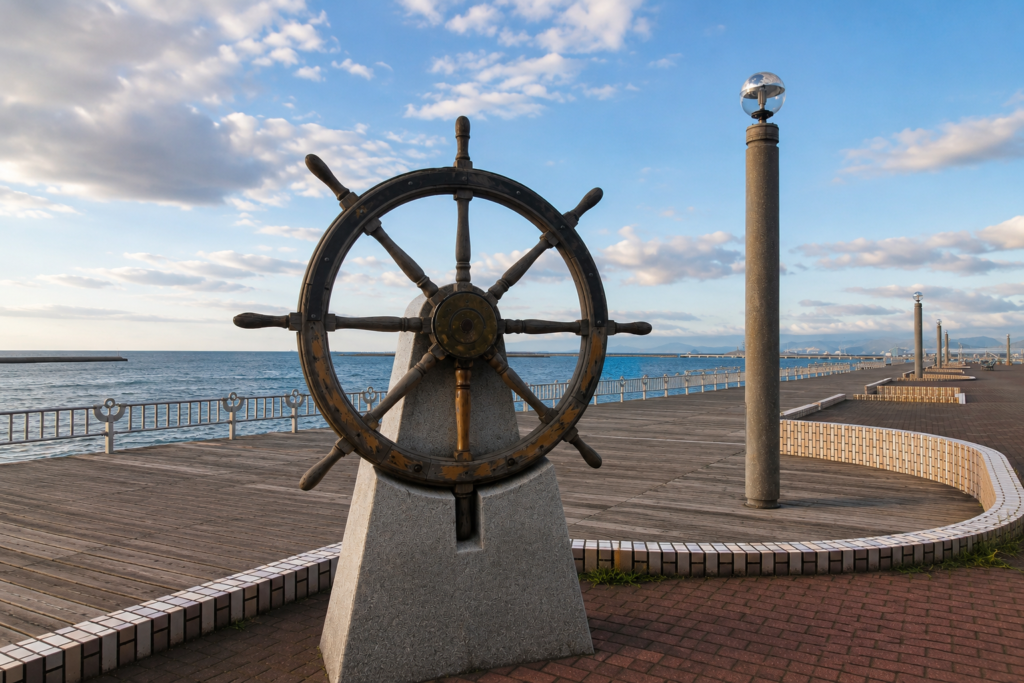 Preparing for a long work trip abroad can be exciting, but at the same time a bit overwhelming, especially if it is your first time. On one hand, you get the chance to experience a new work culture and environment, but on the other, the temporary yet extended setup makes it hard to fully prepare yourself. While I always recommend to tap into the wisdom of people who would have travelled before, you will eventually come back with your own stories to tell. Sharing a few things which can help make your stay memorable and smooth: It always helps to research a little about the work culture and etiquette of the country you’re travelling to. By doing this, you not only avoid unintentionally offending people but also blend in more easily. Making an effort to understand the working hours, expected work wear, and any documentation you might need on your first day, gives you the right start in a new environment. When looking for a place to stay, it’s always best to choose options that are both comfortable and practical. A safe neighborhood with good connectivity will make your daily commute easier and less stressful. At the same time, having food options and entertainment choices will keep you from feeling stuck and isolated. And, most importantly, secure a confirmed stay before you travel, this will help reduce stress and allow you to focus on settling into your new environment. When packing for a long trip, it is natural to carry clothes suited to the local weather, but it always helps to include a few extra pieces for unpredictable days. You never know when you might need a warm jacket for chilly office air‑conditioning or a sudden drop in temperature. Having a mix of clothing options helps keep you comfortable even in different situations. After clothing, the next thing on your packing list should always be food. While it’s easy to find meals you enjoy once you arrive, carrying some food that can last a couple of days brings peace of mind. Simple items like ready‑to‑eat snacks, dry fruits, or instant mixes can be a lifesaver when you’re settling in and craving something familiar. The satisfaction of having a small stash of comfort food, make those first few days feel much easy. Once you arrive, try to sync with the local clock. Your body may take some time to adjust, but sticking to a routine will ease the transition. Even small habits like consistent meal times or sleep schedules reassure your mind with a sense of stability and make settling in much smoother. It also helps to take things slowly, giving your body the chance to acclimatize to the climate, water, and food. Rushing this process can shock your system and make it harder to stabilize, whereas patience allows for a healthier, more comfortable shift. While it might be difficult with different time zones, but staying in touch with family friends keeps you from feeling isolated and homesick. Even a quick call, message, or video chat can provide comfort and remind you of the support system back home. Life abroad can be especially isolating with the missing familiar sound and daily chatter, which might impact your emotional balance, which why quick check ins with yourself become equally important. These will help you anchor, even when everything around may feel unfamiliar. And, finally it is equally important to make the most of this experience. Plan weekend trips, explore the local food and activities, and take time to learn more about the culture around you. Striking the right balance between professional responsibilities and personal enjoyment will help create memories which will make the entire experience feel rewarding. Even if it is not your first time abroad, things don’t always go as planned. It always helps to stay calm and remind yourself that there’s always a next time if you miss something. Approaching things with patience and gratitude not only makes the journey easier but also turns it into a something meaningful. If you too travel for work don’t forget to share your tips on what makes the expereince smooth and memorable, I would love to read your thoughts in the comments.
 When you ask people why they travel, there is never a wrong answer. Some do it for adventure, others for relaxation, and many for that feeling of connection. But it always makes me wonder, what makes someone pack their bags, leave the comfort of home, and step into the unknown. So I started asking people around me, friends, family, and colleagues, a simple question: “Why do you travel?”. While some of the answers were easy to guess, but there where others that, made me pause and think. Here is what I learnt from the conversations:
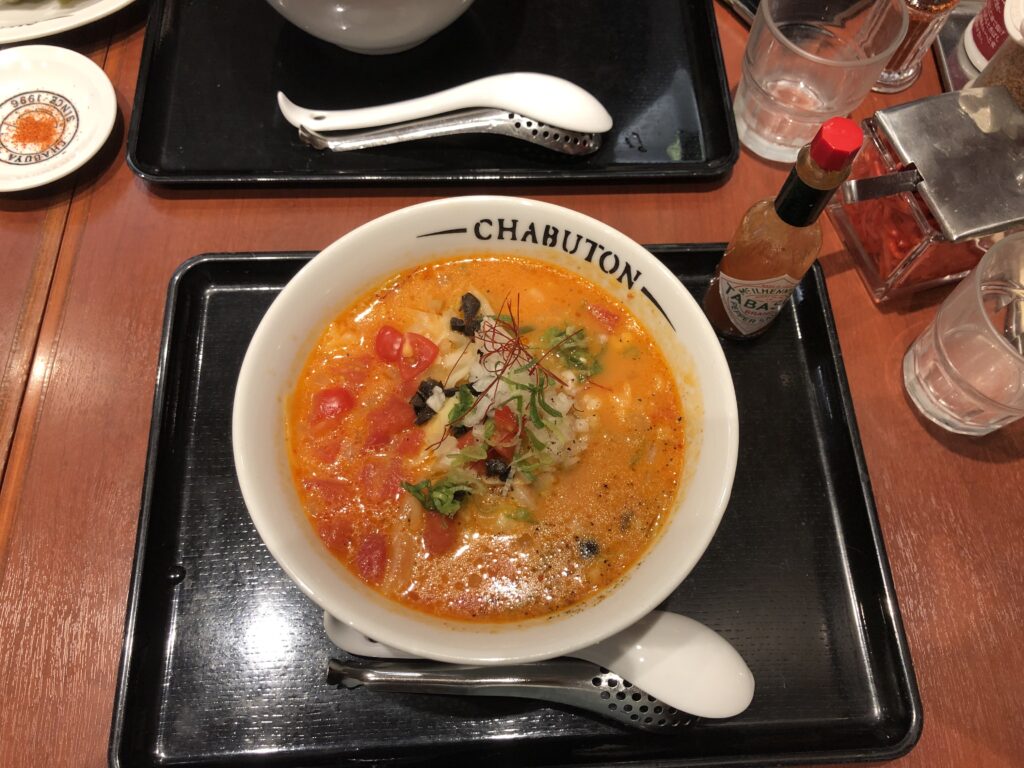 Travelling and overthinking is never a good combination if you are planning on enjoying a guilt free vacation. I experienced this personally on one of my recent trips, and that is when I decided to make an effort to enjoy my future travels without second‑guessing every little choice. Here is what I learnt from my experience.
 Every time someone is back from a vacation, I almost always end up asking the same question: “ How was the trip?”
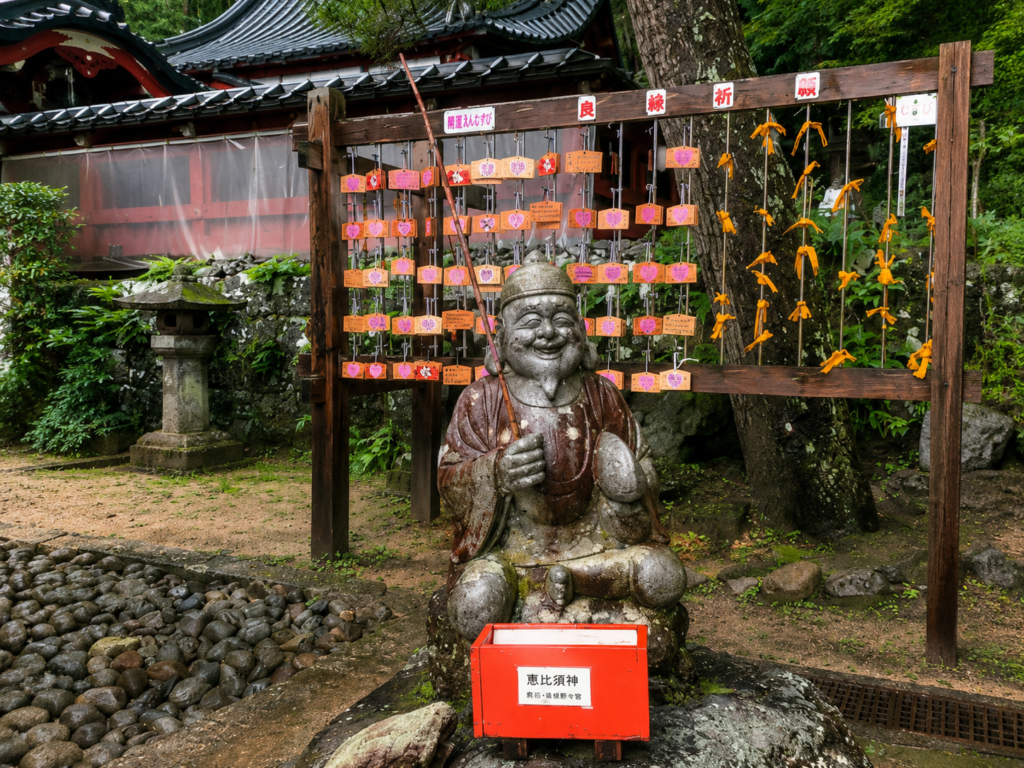 Even though I have not traveled the world very extensively, just a couple of visa‑free countries and one long work trip to Japan, I love sharing the stories, surprises, and little perspectives which I have picked up along the way. What I have also realized is that travel is so much more than sights, food, or places. It’s about those small moments that quietly change the way we see the world.