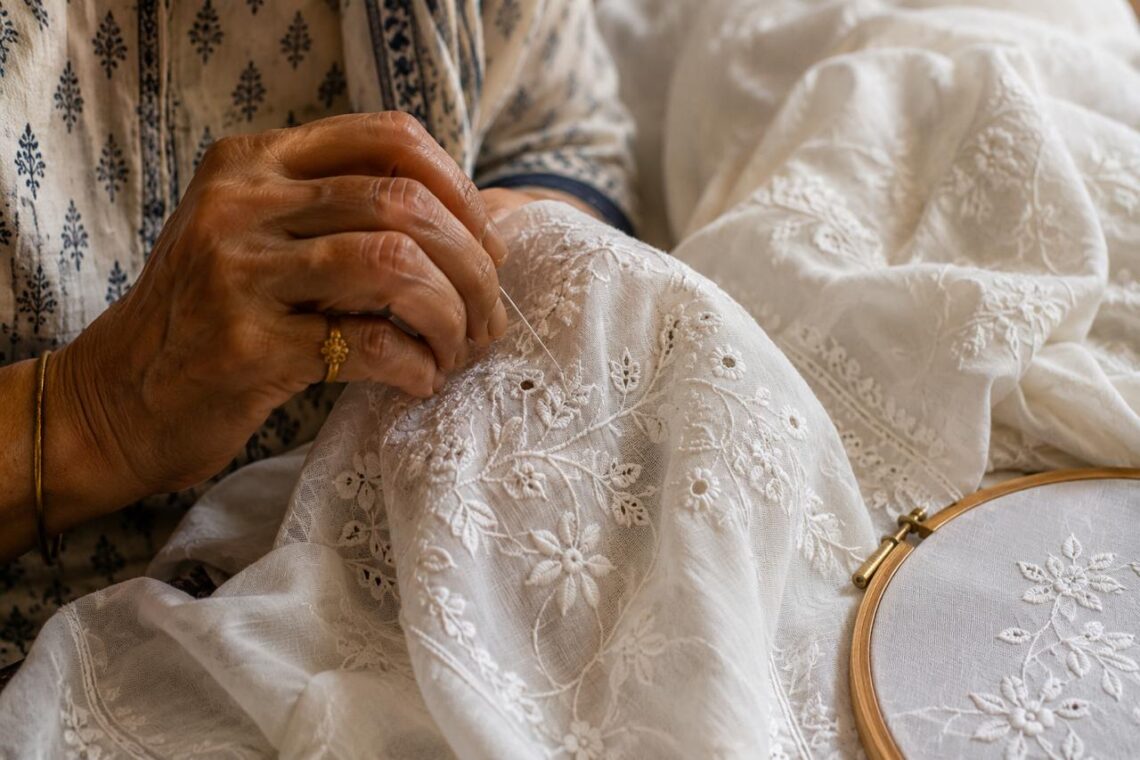
What I Learned About Indian Handlooms this week
Last week the word Indian handlooms was everywhere, which got me thinking. Is it really possible for a few threads to come together and hold years of history, traditions, and emotions of people? The question sent me into a spiral of googling, reading articles, asking around, and even turning my closet upside down. While there were a few insights which I already knew, I also came across many new discoveries that were not only eye‑opening but also made me proud. So here is what I now understand about handlooms, the things which I had easily overlooked before, but now feel eager to share with you.
While we see and use handloom fabric every day, we often miss noticing the number of people who are working on it. The industry is not only huge but also equally diverse, with each community and region adding its own flavor to the pieces. After agriculture, it is handlooms that has been feeding people for centuries, giving them not just livelihood, but also a chance to preserve their traditions, keep local stories alive, and carry forward their legacy to the next generations.
Handlooms have always played a powerful role in empowerment, whether it is during India’s freedom struggle, when it stood as a symbol of self-reliance, or today when it is giving women artisan an opportunity to live a life of independence and dignity. The women weavers across India, with each weave continue to tell a story of strength, financial independence and community strength. And to the next generation, they pass down not just the craft, but also the courage and freedom to live life on their own terms.
Each handloom piece we touch is unique and holds on to a story. While some stories are visible in the textures, colors, and motifs, many remain hidden in the patience, creativity, and identity of the artisan. When we appreciate a handloom piece, we are also honoring the hours of quiet dedication woven into it. The stories, emotions, and efforts are what turn a piece of fabric into a lived experience, it becomes something which holds the culture, heritage and spirit of the hands that created it.
Seeing Indian handlooms in a global setup, whether showcased by international brands or simply spotted in a regular market abroad, always brings a deep sense of pride. Sometimes they bring back memories of home, with familiar textures and colors reminding us of our roots. At other times, they stand as proof of how far we have come, carrying our traditions across borders. Each fabric is a reminder that, like us, handlooms are not confined to local markets but have earned their place worldwide.
Another beautiful aspect of handlooms is how they become a common link between generations. A piece of clothing passed down through a family carries with it laughter, celebrations, and even the quiet moments of everyday life. Without us even realizing, these fabrics turn into heirlooms of love, holding memories together across the years.
And finally, the reason handlooms continue to remain in spotlight is because they keep adapting to changing times while still keeping the true essence alive. In today’s modern designs, we get to see a beautiful balance of traditional weaves with contemporary styles, proving that handlooms are not just things of the past, but living traditions that will continue to evolve with times, and finds new ways to express itself.
Appreciating and talking about our Indian handlooms as often as we can, and sharing them with others, is one of the simplest yet most powerful ways to truly value the craft and the efforts of the artisans. Every conversation, every mention, is a way of honoring not just the fabric, but also the patience and dedication of the people working behind it. So keep adding to the conversation around Indian handlooms. And do let me know what you think about them. I would love to read your thoughts in the comments.

